




Platinum Plan


ObamaCare’s Platinum Plan is a type of Metal Plan on the Health Insurance Marketplace. Platinum Plans qualify for Tax Credits and have the highest premiums. Other Metal Plans include Bronze, Silver, and Gold. Also, a Catastrophic Plan is available to young adults and to some people with hardship exemptions. Platinum plans have the highest premiums and the lowest cost-sharing. They only make… Read More

Gold Plan


ObamaCare’s Gold Plan is a type of Metal Plan on the Health Insurance Marketplace. Gold Plans qualify for Tax Credits, have high premiums, and generous cost-sharing. Other Metal Plans include Bronze, Silver, and Platinum. Also, a Catastrophic Plan is available to young adults and to some people with hardship exemptions. Gold plans mean higher premiums, less Tax Credits, but much… Read More

Bronze Plan


ObamaCare’s Bronze Plan is a type of Metal Plan on the Health Insurance Marketplace. Bronze Plans qualify for Tax Credits and have low premiums. Other Metal Plans include Silver, Gold, and Platinum. Also a Catastrophic Plan is available to young adults and to some people with hardship exemptions. All plans offer basic benefits and minimum cost-sharing, Bronze Plans tend… Read More

Silver Plan


ObamaCare’s Silver Plan is a type of Metal Plan on the Health Insurance Marketplace. Silver Plans qualify for both Tax Credits and Cost-Sharing subsidies. Other Metal Plans include Bronze, Gold, and Platinum. Also, a Catastrophic Plan is available to young adults and to some people with hardship exemptions. HealthCare.Gov, or your state’s Marketplace in states that don’t… Read More

Health Plan Types: HMO or PPO?


Understanding the difference between HMO Health Maintenance Organization and PPO Preferred Provider Organization health plan types helps you compare plans to get the right coverage for you and your family. You can learn about the less common EPO Exclusive Provider Organization plans here. Under ObamaCare most plans are either HMOs or PPOs. Knowing which one is… Read More

Summary of Benefits and Coverage (SBC)


Your health plan’s Summary of Benefits and Coverage (SBC) is a summary of what your plan covers in terms of benefits and cost sharing, and explanations of how everything works. We suggest opening up a Summary of Benefits and Coverage sheet as you follow along. The Summary of Benefits and Coverage PDF can be found… Read More

Health Insurance Quotes


Get health insurance quotes and find out if you qualify for cost assistance from CMS approved brokers and on HealthCare.Gov. Below we will discuss the best ways to get health insurance quotes (HINT: Start at ObamaCare’s Health Insurance Marketplace sometimes called “the Marketplace” AKA HealthCare.Gov). We’ll also give you lots of helpful advice to help ensure you get… Read More

Tips for Getting the Best Health Plan


Here is a quick list of tips for getting the best health plan. No matter how you shop, this list will ensure you don’t over or under-buy health insurance. NOTE: Finding the best health plan for you and your family depends on your family size, income, needs, region, and more. The best plan for one… Read More

Save American Workers Act Facts


The Save American Workers Act changes the definition of full-time workers so fewer employers have to comply with ObamaCare’s employer mandate. Let’s take a look at the legislation, why it was passed in the House, why it won’t pass the Presidents desk, what effects it has, data on part-time hours and job loss, and some alternatives… Read More

Modified Adjusted Gross Income (MAGI)


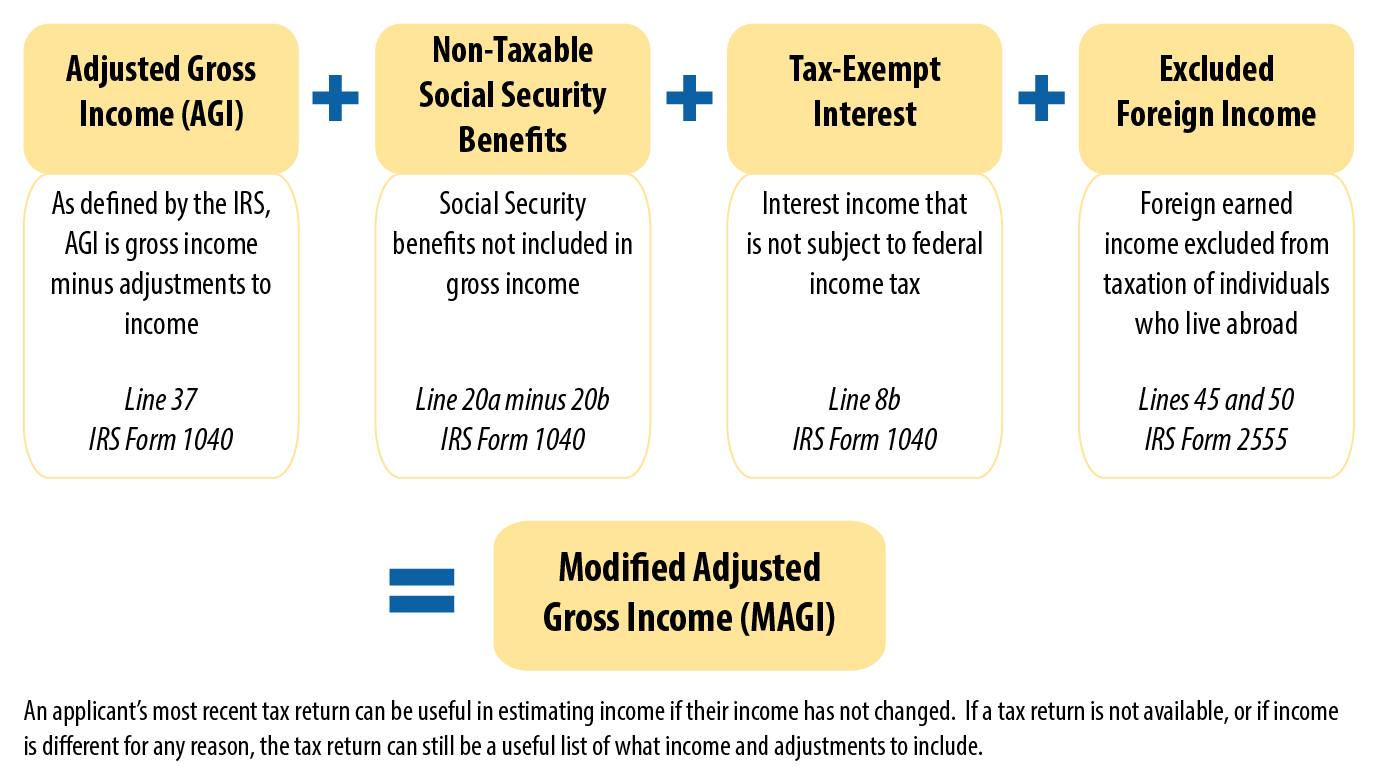
What is Modified Adjusted Gross Income (MAGI), Adjusted Gross Income (AGI), Gross Income (GI), Family Income, Household Income, Etc? Modified Adjusted Gross Income (MAGI) is your Gross Income (GI) adjusted for deductions (AGI) and then modified by adding certain deductions back in to calculate MAGI. This page covers MAGI as it applies to Medicaid and… Read More

Should I Get Health Insurance?

Having Health Insurance means you are covered in an emergency. Not getting coverage could result in big fees for those who wait until taxes are due. Obtaining and maintaining health insurance isn’t just about avoiding a fee, it’s about taking responsibility for your health, knowing you have coverage when you need it, and avoiding the devastating… Read More

Factors that Affect Health Insurance Costs


Let’s take a look at factors that affect health insurance costs for premiums and cost sharing under ObamaCare, including Marketplace subsidies and Medicaid. ObamaCare helps ensure fair health insurance premiums (Sec. 2701), helps curb premium growth, and provides Tax Credits to lower premium costs. The ACA also includes measures to reduce out-of-pocket spending and curb national… Read More

Policy Periods and ObamaCare

With ObamaCare deadlines for open enrollment approaching, it’s important to think about health insurance policy periods. Here are some key facts to help you understand why getting covered during open enrollment isn’t just about avoiding the fee, it’s about value. Your health insurance deductible (the amount you have to pay for covered in-network services before coinsurance kicks in)… Read More

Health Insurance Coinsurance


What is Health Insurance Coinsurance? In health insurance, coinsurance is your share of costs of the allowed amount for a covered service after you reach your deductible. Coinsurance is different from a copay which is a fixed dollar amount for services and is not typically dependent on meeting your deductible. How does Coinsurance Work? Each service or drug that is subject… Read More

Health Insurance Copay (Copayment)


What is a Health Insurance Copay? In health insurance a copay (copayment) is a fixed amount you pay for covered services, typically when you get the service. Copays differ from coinsurance (the percentage you pay for covered services, usually after reaching your deductible). Each plan treats copays and coinsurance differently, so it’s important to understand if… Read More

Health Insurance Deductible


What is a Health Insurance Deductible? Your health insurance deductible is the amount you have to pay out-of-pocket for covered services before your insurance begins to pay. It doesn’t include premiums or costs that aren’t covered by your plan. Once you meet your deductible, your plan will pay its share of your coinsurance. TIP: Your maximum deductible… Read More

Health Insurance Premium


What is a Health Insurance Premium? Your health insurance premium is the amount paid to an insurer, typically per month, for a health plan. Tax Credits are available to lower monthly premiums through the Health Insurance Marketplace. If you have coverage through work, your employer typically pays part of your premium. Let’s look a little more… Read More

Premium Tax Credits


ObamaCare’s Premium Tax Credits can be paid to your insurer in advance to lower your monthly premium on a Marketplace plan or adjusted on your tax returns. Tax Credits are based on household income and are available to folks making between 100% and 500% of the Federal Poverty Level (FPL). Expanded Premium Tax Credit Cap:… Read More

Cost Sharing Reduction Subsidies (CSR)


How Do Cost Sharing Reduction Subsidies Work? ObamaCare’s Cost Sharing Reduction Subsidies (CSR) lower out-of-pocket costs, based on income, for Silver plans bought on the Health Insurance Marketplace. Along with Premium Tax Credits, ObamaCare’s Cost Sharing Reduction subsidies lower what you pay for out-of-pocket costs like deductibles, copays, and coinsurance, making health insurance coverage more… Read More

Health Savings Account (HSA)


What is a Health Savings Account? A Health Savings Account (HSA) is a tax-advantaged medical savings account you can contribute to and draw money from for certain medical expenses tax-free. HSAs can be used for out-of-pocket medical, dental, and vision. HSAs can’t be used to pay health insurance premiums. HSA’s can only be used with… Read More

Catastrophic Health Plans


If you are under 30 or obtained a “hardship exemption” you qualify for a high deductible, low premium, catastrophic plan. Catastrophic health plans are the cheapest plan you can get that counts as minimum essential coverage. Catastrophic plans can be good for those who want cheap, barebones care. Catastrophic plans tend to trade a low… Read More

How to Compare Health Plans


Learn how to compare health plans to get the best deals on health insurance and health care. Compare your health needs with your plans costs and coverage, to find an affordable plan with benefits that are designed to cover you. No matter how you shop, and boy are there a lot of different options under… Read More

How Does Health Insurance Work?


How does health insurance work? You pay a monthly premium and your share of annual out-of-pocket costs, and your insurer pays it’s share of covered costs.  The concept is simple, but getting that perfect health plan takes some brain power and elbow grease.  By taking the time to master and internalize the content of this page,… Read More

Actuarial Value


What is Actuarial Value? Actuarial value is average total of costs for covered benefits covered by a health plan. Let’s look at how ObamaCare’s metal plan actuarial values work and how actuarial value applies to all plans in general. FACT: Actuarial Value (AV) in regards to health insurance was created by the Affordable Care Act to rank ObamaCare’s… Read More

ObamaCareFacts is a free informational site. It's privately owned, and is not owned, operated, or endorsed by the US federal government or state governments. Our contributors have over a decade of experience writing about health insurance. However, we do not offer professional official legal, tax, or medical advice. See: Legal Information and Cookie Policy. For more on our company, learn About ObamaCareFacts.com or Contact us.