Bipartisan CHRONIC Care Act Passes Senate






Ads by +HealthNetwork

A bipartisan bill known as the CHRONIC Care Act passed the Senate Tuesday night. The bill aims to expand the Affordable Care Act and improve Medicare.
Check out our ObamaCare news archive to get the latest news on the Affordable Care Act or to thumb through news articles stretching back to 2012.
A bipartisan bill known as the CHRONIC Care Act passed the Senate Tuesday night. The bill aims to expand the Affordable Care Act and improve Medicare.

ObamaCare’s open enrollment period for 2018 starts on November 1st, 2017 and ends on December 15th, 2017. This is what you need to know to enroll for 2018. Some states have longer enrollment periods, so you will have to check your state’s rules. • Open enrollment is the only time you can get cost assistance, enroll… Read More
Graham-Cassidy Repeal and Replace Bill Won’t Be Voted On The Senate won’t vote on the Graham-Cassidy Bill to replace ObamaCare (the Affordable Care Act), as the bill lacked the votes to pass. This was decided after Majority Leader Mitch McConnell met with lawmakers to see where Senators stood on the proposal. Previously Sen. Susan Collins, a Republican… Read More
The Cassidy-Graham bill has been estimated by studies to result in 32 million uninsured by 2027 and beyond and higher costs for many sick, poor, and seniors.
We explain the gist of the Graham-Cassidy Obamacare repeal bill. In short, it looks a lot like the last repeal attempt, the Better Care Reconciliation Act.
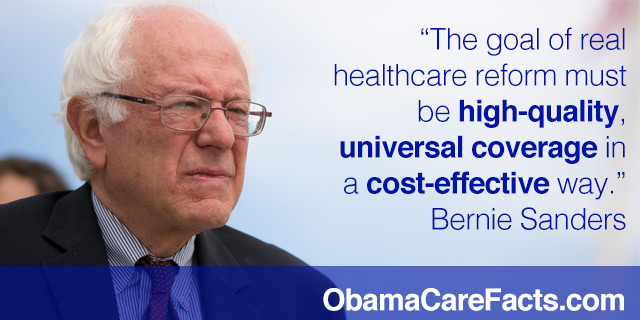
We explain the basics of the Bernie Sanders Medicare-for-all bill, a bill to expand universal coverage to all Americans by expanding Medicare.

Deferred Action for Childhood Arrivals (DACA) recipients are not eligible for ObamaCare, don’t have to comply with the mandates, can’t use the marketplace, and can’t get cost assistance.
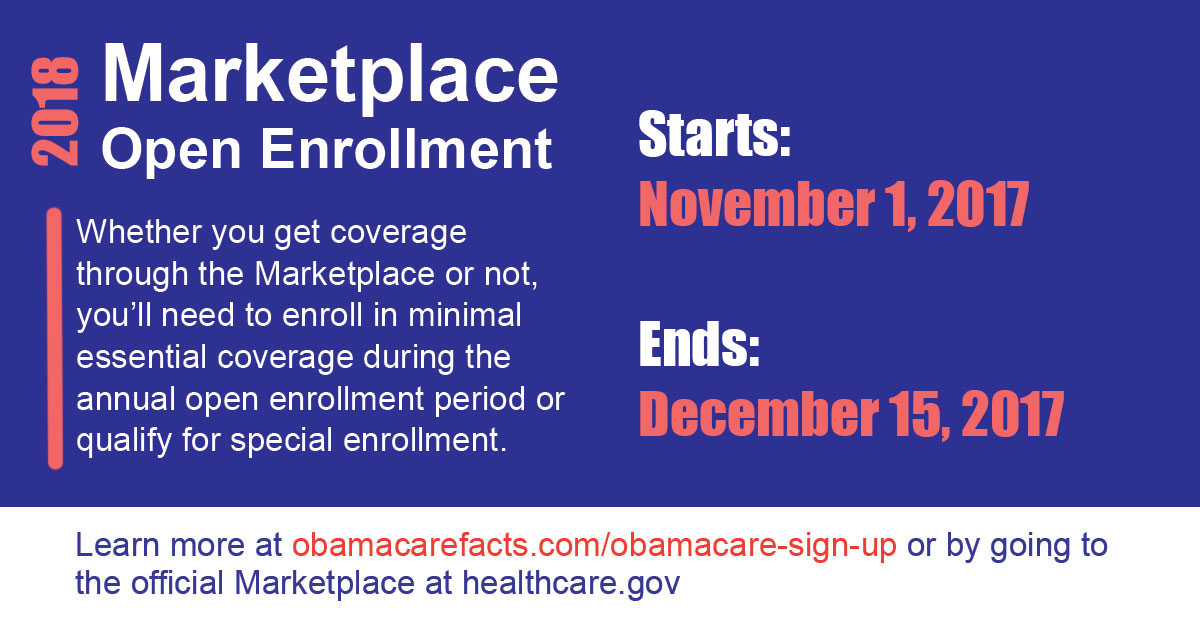
Open enrollment is still on for ObamaCare (the Affordable Care Act). 2018 open enrollment starts November 1, 2017, and ends December 15, 2017 (extended to January 2018 in some states).

The Trump administration cut ObamaCare’s advertising and outreach budget sharply this year. Ad funding was reduced from $100 million to $10 million.
We explain the August 15, 2017 CBO and JCT report on the effects of ending cost-sharing reduction payments to insurers.
Given the recent uncertainty in the markets, the Trump administration is giving insurance companies three extra weeks to decide where they will offer plans and how much they will charge.
The health gap is like the wealth gap, except for in healthcare, it describes the gap in access to quality healthcare between different demographics.
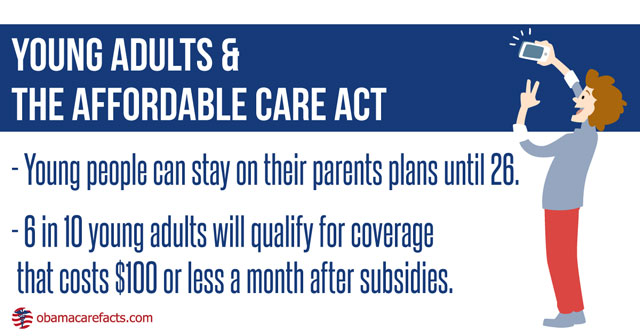
Tomi Lahren is on ObamaCare, because she is on her parents plan despite being older than 19 (and it was ObamaCare that allowed for that).

We explain how Trump can obstruct ObamaCare by “blocking insurer bailouts” (by not reimbursing insurers for cost sharing assistance.)
We explain what a “skinny repeal” of ObamaCare is (it essentially means key provisions like the mandates go, but much else stays) and what it could mean for you.
Congress plans to vote to repeal and replace ObamaCare today, July 25, 2017. It is still uncertain that Republicans can get 51 votes.
Children covered by the Children’s Health Insurance Plan (CHIP) are eligible for 5 essential services, and it may be best to have them as soon as possible. CHIP’s funding is scheduled to end on September 30, 2017.
The Ted Cruz Amendment is an Amendment to the BCRA which lets insurers sell low-benefit, low-cost, high-deductible plans with annual limits.
The Republican-led effort to repeal and replace Obamacare (the Affordable Care Act) failed after a string of conservative senators refused to support it.
The senate just unveiled the latest version of their ObamaCare repeal and replace bill (an updated version of the Better Care Reconciliation Act of 2017).
On this page we ask the question, “did the ACA (ObamaCare) lead to higher medical costs, or is something else causing the increase in healthcare costs?”
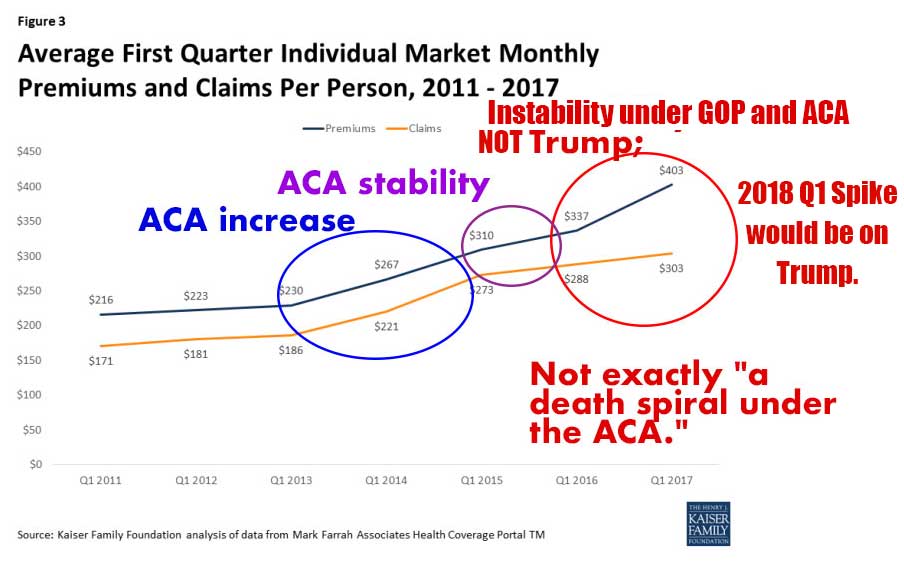
A new report from the Kaiser dispels the “ObamaCare death spiral” myth, showing that insurance premiums are generally stabilizing under the ACA.
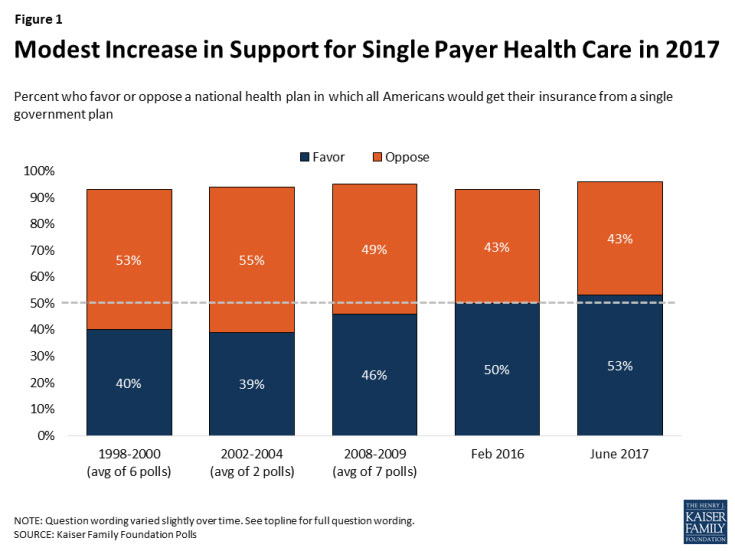
More than Half of Americans Support Single Payer (According to Kaiser Health Tracking Poll) A June Kaiser Health Tracking poll finds that a slim majority of the public (53%) now favors a single-payer health care. What is single payer? Single payer is a health insurance solution (not a healthcare delivery solution) where all Americans would… Read More
We look at the question, “can repealing the ACA or its key provisions bring down the cost of health insurance / healthcare?”
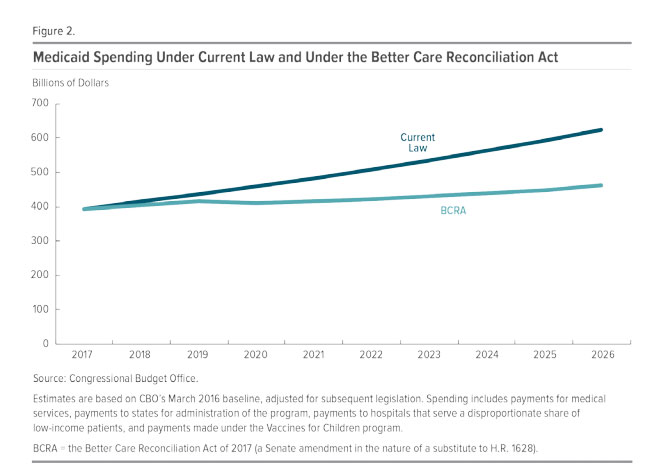
Trump and others have claimed that the Senate Bill (BCRA) doesn’t cut Medicaid, that is false. The BCRA freezes and reduces Medicaid funding.